Capital Defense Command
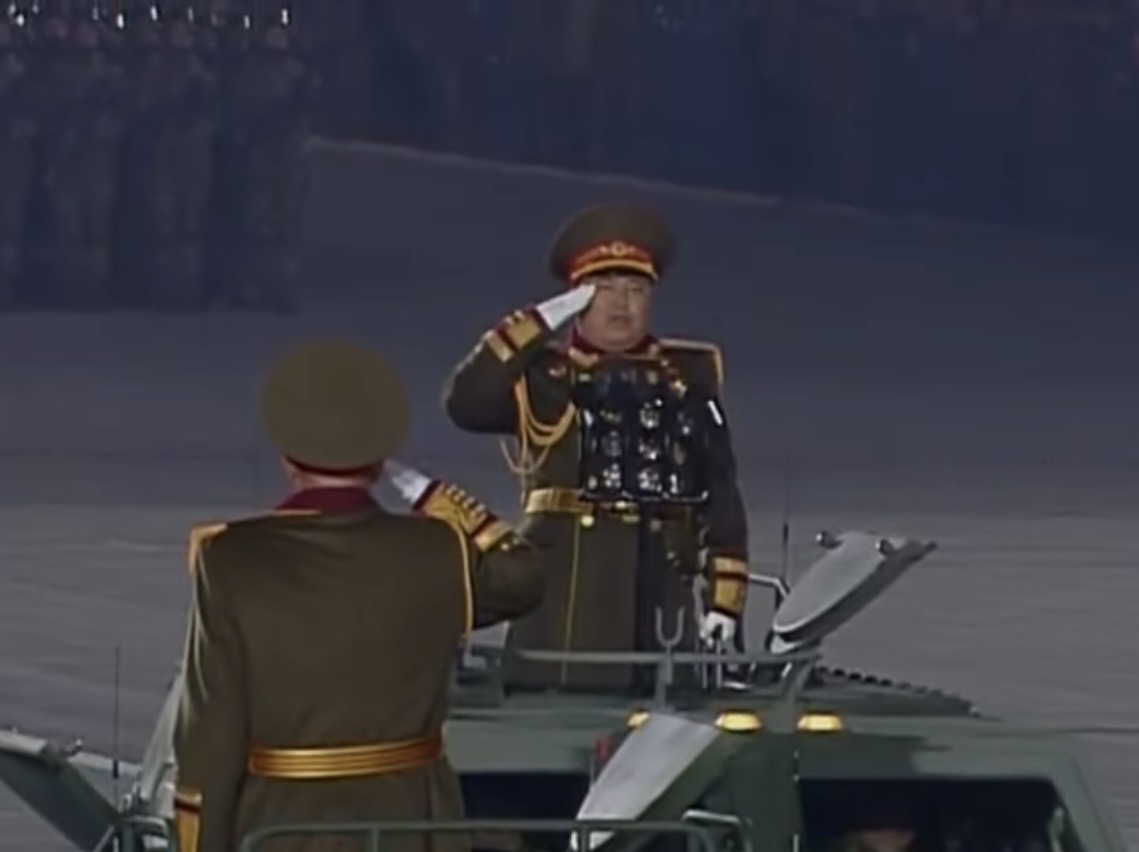
Capital Defense Corps commander Lt. Gen. Choe Kwang Il at the February 2026 parade (Photo: KCTV).
During the February 2026 parade marking the end of the 9th Party Congress and at a light infantry/tank/UAV exercise on March, DPRK state media referred to a Capital Defense Corps [CDC]. This is most likely a new Korean People’s Army [KPA] organization, but the question is whether the CDC is a command and control (C2) node or a coordinating institution.
At the February parade, KCTV identified the parade marshal as Lt. Gen. Choe Kwang Il as head of the Capital Defense Corps. Further in the parade, Senior Colonel Pak Song Chol was identified as commander of the 91st Corps (also known as the Pyongyang Defense Command [PDC]). During the October 2025 parade celebrating the foundation of the Workers’ Party of Korea (WPK), and other events, Lt. Choe had been identified as commander of the 91st Corps.
There remains a degree of ambiguity as to whether Col. Pak is PDC/91st Corps commander or led the parade column. If there has been no change to the 91st Corps command, then it means Lt. Gen. Choe concurrently leads the CDC and the 91st Corps.
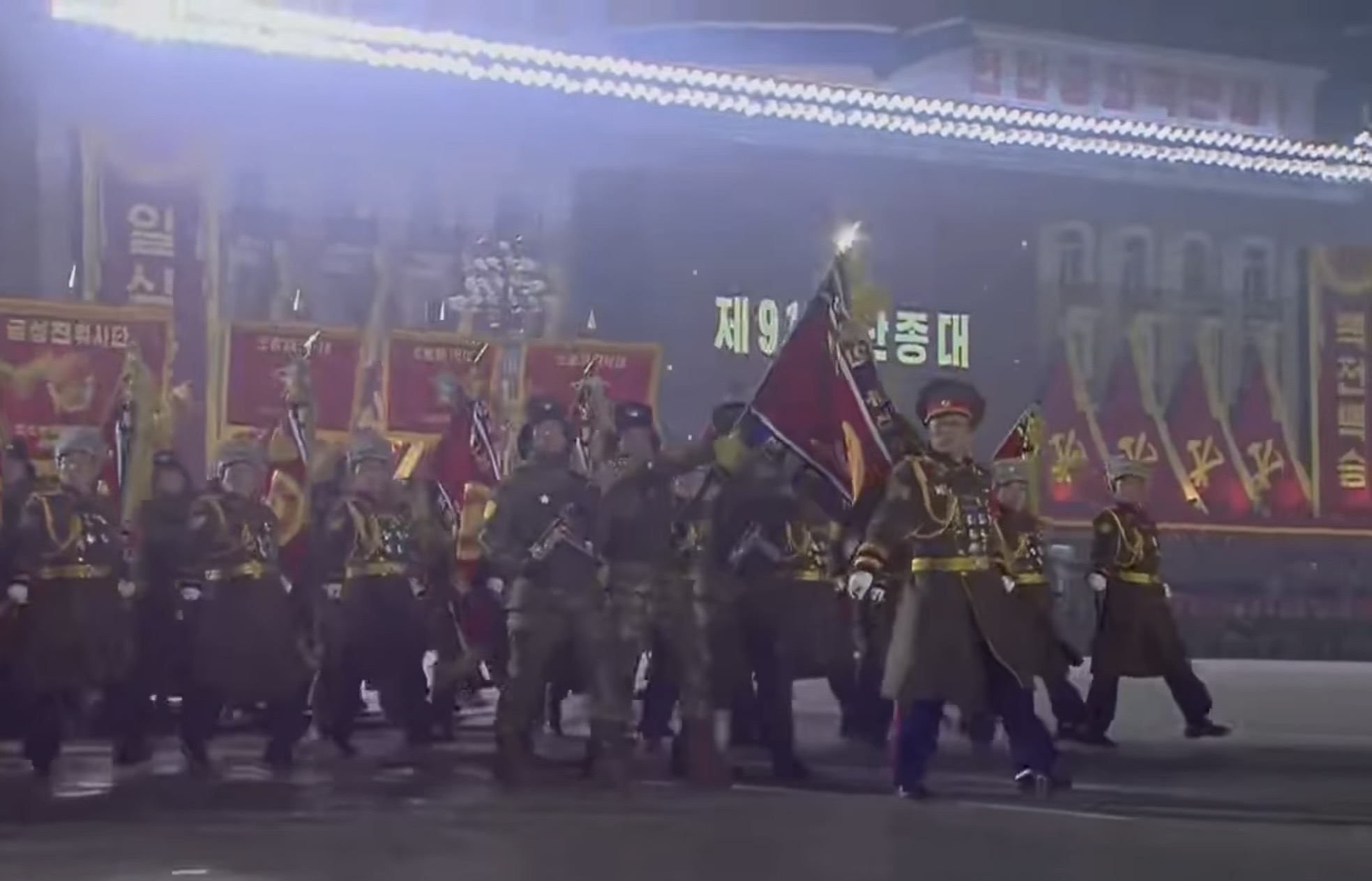
Senior Colonel Pak Song Chol leading the 91st Corps (Pyongyang Defense Command) during the February 2026 parade (Photo: KCTV).
With the Choe/Pak out of focus—the CDC gives Kim Jong Un cleaner, tighter channel for control of capital city forces and just enough ambiguity to keep the cadres on their toes. The CDC warrants analytical explanation about its function in the regime. Before positing two organizational scenarios for the CDC: we need to consider overall motivations along with recent changes to DPRK close protection and coup proofing organizations.
Motivations and landscape
When we contrast Choe Kwang Il’s posts identified in state media coverage between October and February, it would be reasonable to surmise if North Korea stood up the CDC during the four (plus) months between these events. If one assumes the neurotic posture of pressure point analysis then one might assume the CDC was stood up or its existence publicized in response to UAV incursions around Moscow and Russian VIP locales as well as the 3 January 2026 capture of former Venezuelan leader Nicolás Maduro. That said, Kim Jong Un’s minimal security at the tree planting event was probably a CDC test drive.
DPRK political culture can be ebbs and flows, Willie Nelson’s phases and stages. Since the PDC’s formal inception during the late 1960s, the Guard Command and PDC have been subject to consolidations, breaking apart, cooptation and vying for the leader’s attention. As such, establishing the CDC has probably been on Kim Jong Un’s radar for at least five years.
The 2026 publicizing of the CDC occurred seven (7) years after Kim Jong Un restructured and adjusted the command and organization of his personal security escort (i.e., bodyguards). The former WPK Office#6 was severed from the Organization Guidance Department and directly subordinated to Kim Jong Un. Elements of the Guard Command #1 Department was repurposed as the Guard Department. The Guard Command’s former #2 Department became the State Affairs Commission (SAC) Guard Department; this organization being tasked with providing outer security lines for Kim Jong Un, and tasked on security and logistics missions for core DPRK elites and sundry members of the Kim Family.
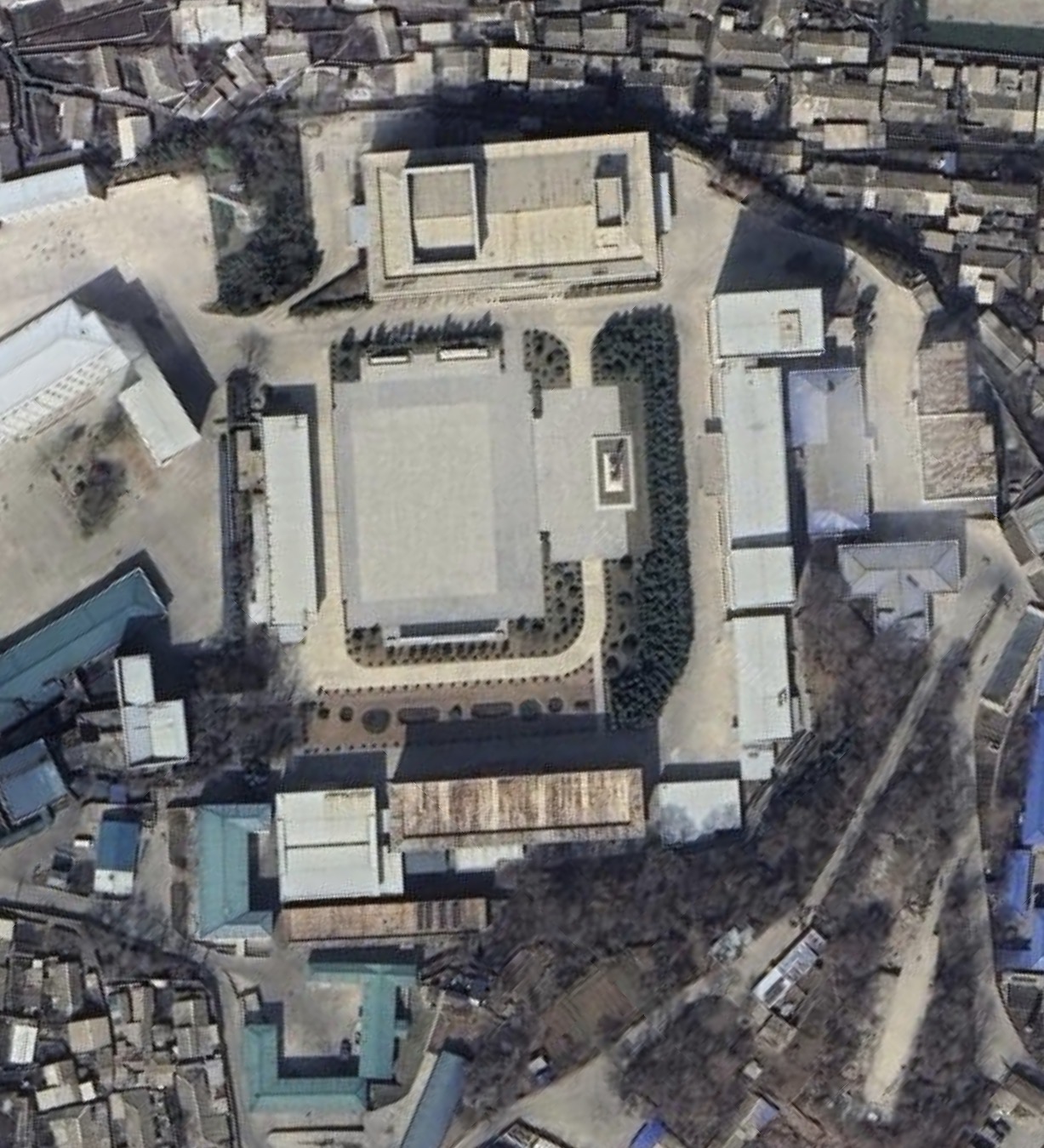
Pyongyang Defense Command (91st Corps) HQ
Since the 2022 CMC meeting, its longest plenary session on record, the KPA has been involved in force restructuring. While focused on forward deployed units, other redeployments and restructuring probably involved other KPA Corps units, including the PDC/91st Corps. State media reporting did not explicitly disclose KPA force restructuring or when it would occur. This means that there is an even chance (50/50) that planning for restructuring the PDC, over the medium-term, took place in the early 2020s. As such, this could have triggered a process under which PDC and III Corps units, in addition to close escort organizations, would begin to plan for migration over the next four (4) to five (5) years.
Recent North Korean political gatherings most likely provide further clarity on the establishment and publicizing the CDC. At the May 2025 CMC meeting, the Military Security Command (MSC) director was replaced; the MSC is one of North Korea’s signature coup proofing institutions. A shift in MSC leadership could well facilitate or affect (8-9 months out) or set the table for changes in other coup proofing organizations like a notional CDC.
In additional to MSC changes, the first plenary session of the 15th Supreme People’s Assembly (SPA) included a Kim Jong Un speech in which he discussed an organizational change whereby the Ministry of People’s Security (MPS) would adjust its mission from being a gendarmie force to being a traditional police agency. This would marks the starting process of MPS becoming a traditional police force.
Following the SPA session, Kim Jong Un inspected special operations forces (SOF) drills. During the inspection, he noted in state media, organizational changes for SOF units. Kim Jong Un’s remarks were grounded by a prior inspection on 19 March. When we take MPS institutional changes with SOF restructuring, then the Capital Defense Corps becomes part of an overall military adjustment.
CDC Scenarios
This leaves us with the question of whether the CDC is a new, separate C2 node or if the CDC is more of a coordination and political control mechanism for the different security organizations tasked to protect Pyongyang and most key VIP locales. Minus a hybrid option (see below), there are two ways this shakes out.
First, the Capital Defense Corps might represent a separate C2 node in the KPA General Staff apparatus. If this is accurate then we have two things to consider—the CDC’s security perimeter in and around Pyongyang, and CDC personnel.
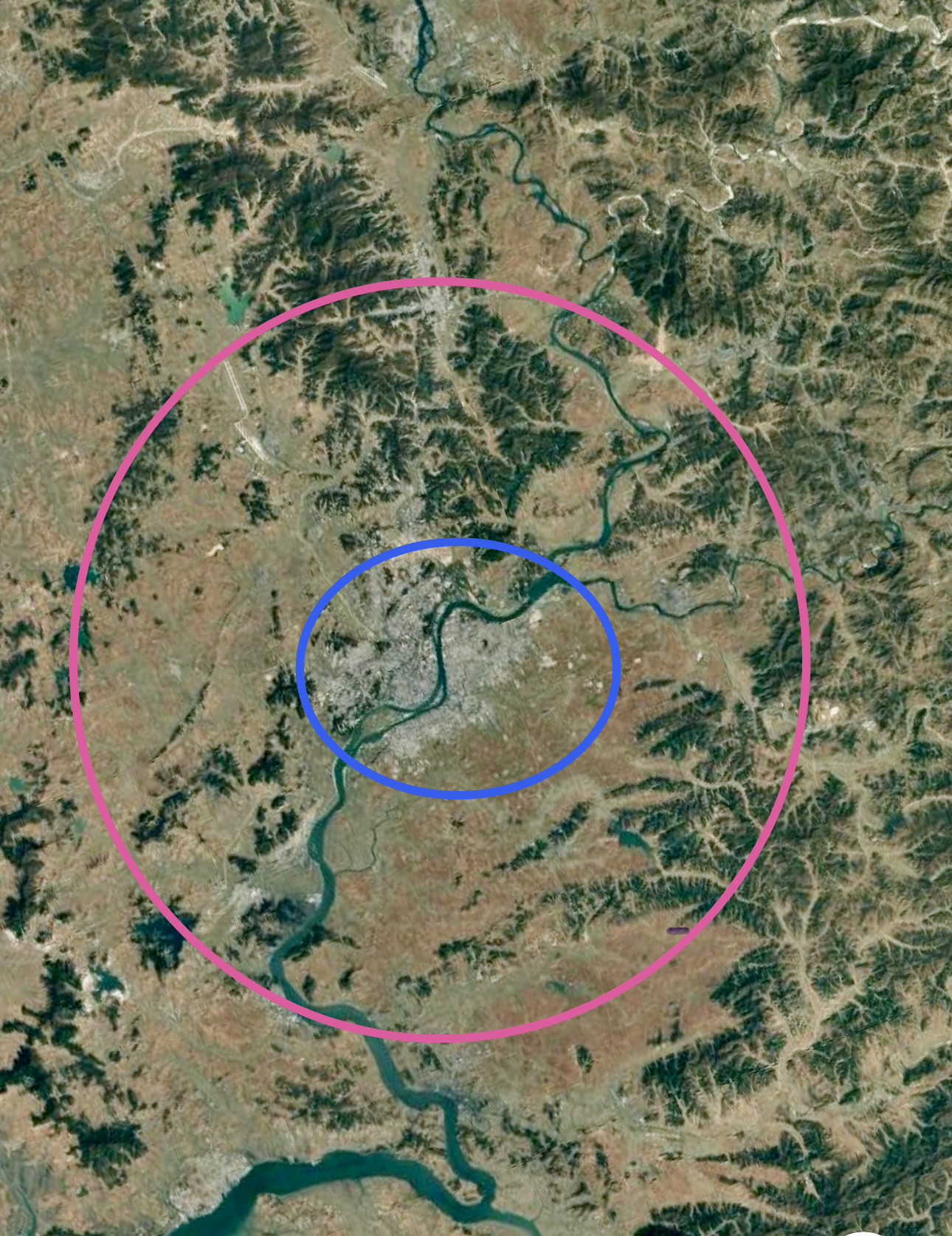
The pink outer circle marks the hypothetical command node CDC’s perimeter with the inner blue circle the PDC/91st Corps perimeter.
Considering that Kim Jong Un and core elite bodyguard and logistical units have split along three to four organizations, then perhaps Pyongyang’s protective forces have split into three. The III Corps constitutes the outer perimeter, from Namp’o and west/southwest South P’yo’ngan Province to an outer CDC perimeter. The PDC/91st Corps forms an inner security perimeter for Pyongyang’s city environs to locales up to Kim Jong Un and core elites subject to protection by the Central Committee Guard Department and SAC Guard Department.
Between the III Corps, the PDC/91st Corps, and core elite bodyguard formations, then, the CDC would form an outer security perimeter in suburban Pyongyang. In this scenario, the CDC would protect a number of key locales on the outskirts of Pyongyang. This would include the KPA Supreme Command HQ, KPA General Staff and Ministry of Defense C2 and storage compounds, missile bases east/southeast of Pyongyang and VIP locales in Kangdong County (the Second Economy Commission, the roads leading to and from the Kim Family compound). This CDC perimeter would also include Pyongyang entry reception posts, previously the purview of the PDC/91st Corps. These reception posts are located on the roads approaching Pyongyang’s administrative (geographic) area whereby individuals and vehicles furnish required travel documentation and entry permits to travel into Pyongyang.
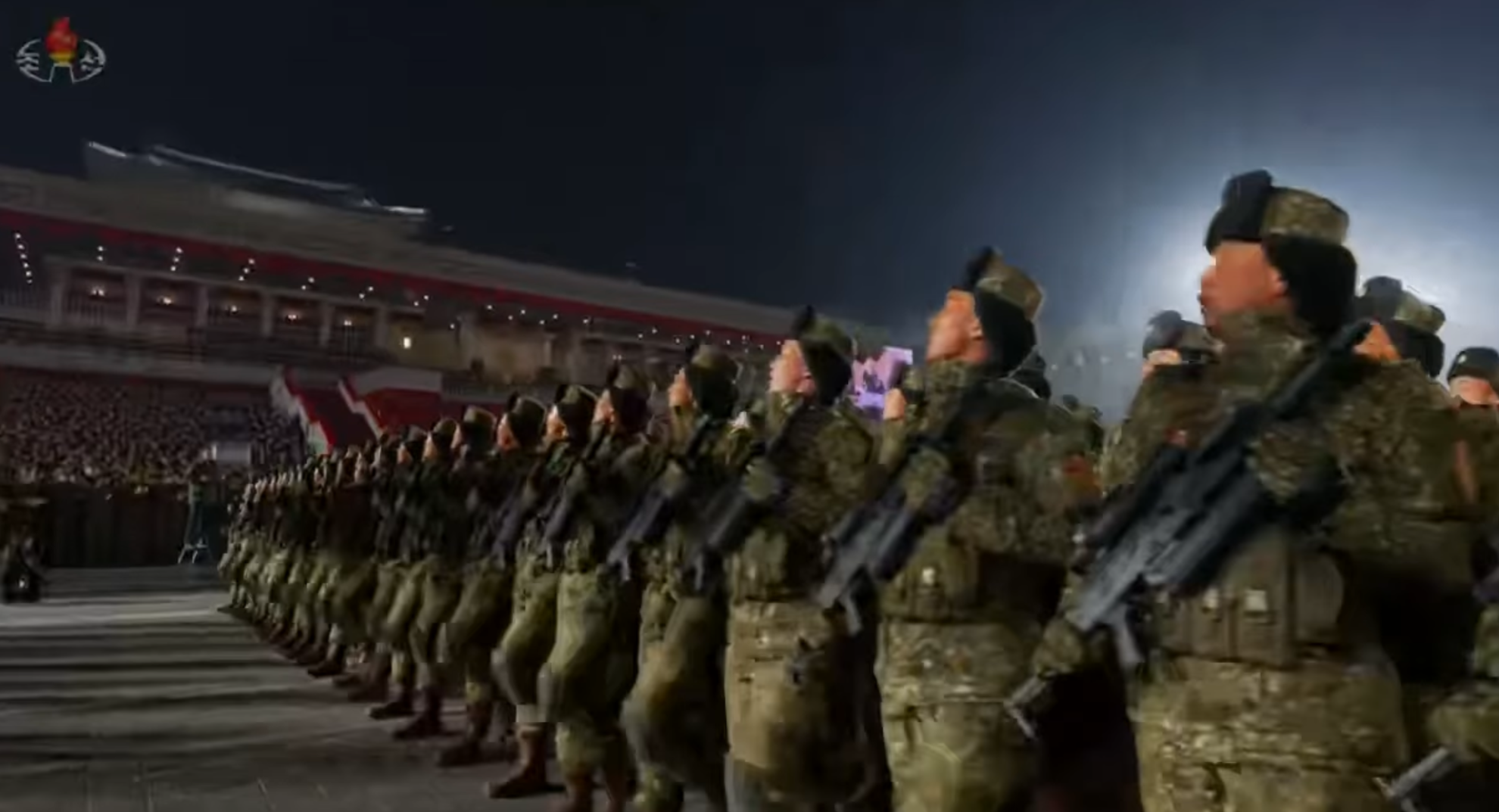
91st Corps personnel toting their assault rifles march through Kim Il Sung Square during the post-party congress parade in February 2026 (Photo: KCTV).
If the CDC was stood up as a separate C2 node then it would require personnel and a force structure (we will dispel order of battle from this scenario). This CDC would require between 30,000 to 60,000 troops. Kim Jong Un has soured on the Guard Command (check any of the parades during the last five years for his reactions during the march past) so perhaps he’d transfer a few Guard Command battalions to this notional CDC, probably from the GC’s Samso’k and P’yo’ngsong Divisions, drawn from light infantry, mechanized and rear service elements.
Rear service elements are a key factor here because all military formations protecting Pyongyang (Guard Command, PDC, III Corps) are self contained. Any of these coups proofing units consist of, regardless of the head count, HQ, operations and rear service elements. This CDC would also need to pull personnel from the III Corps and the PDC/91st Corps. Between both units we are involved with a head count between 70,000 and 100,000. Whatever Kim Jong Un and his military advisers might earmark from the Guard Command, that cohort would top out at 10-12,000 troops. Here, various mechanized, infantry, artillery/MLRS and tank elements from the PDC and III Corps would migrate to the CDC as a firm defensive perimeter on the outskirts of Pyongyang.
This seems a sensible decision. Like the tri- or quadfurcation of core elite bodyguard units, this CDC splits commanders and missions into discrete areas of responsibility. It lays out heavier forces to protect Pyongyang’s outer perimeter. This would leave the PDC’s inner perimeter to engage urban warfare in the event of an attack from the South or internally. If there’s a fuck up or a threat (even a perceived threat), then Kim Jong Un and his military advisers can dismiss the relevant command staff or even retool the force structure.
On the other hand, why bother migrating personnel and materiel to a new corps command? In lieu of standing up a new corps unit and C2 node, it might prove more easier and more efficient if the Capital Defense Corps were established as more of a political control node reporting directly to Kim Jong Un. This is the second scenario for the CDC would make it a coordinating institution over all security organizations, except a few bodyguard organizations. This would bring the DPRK’s capital city defense in line with the PRC’s Beijing Garrison and the ROK’s Capital Defense Command.
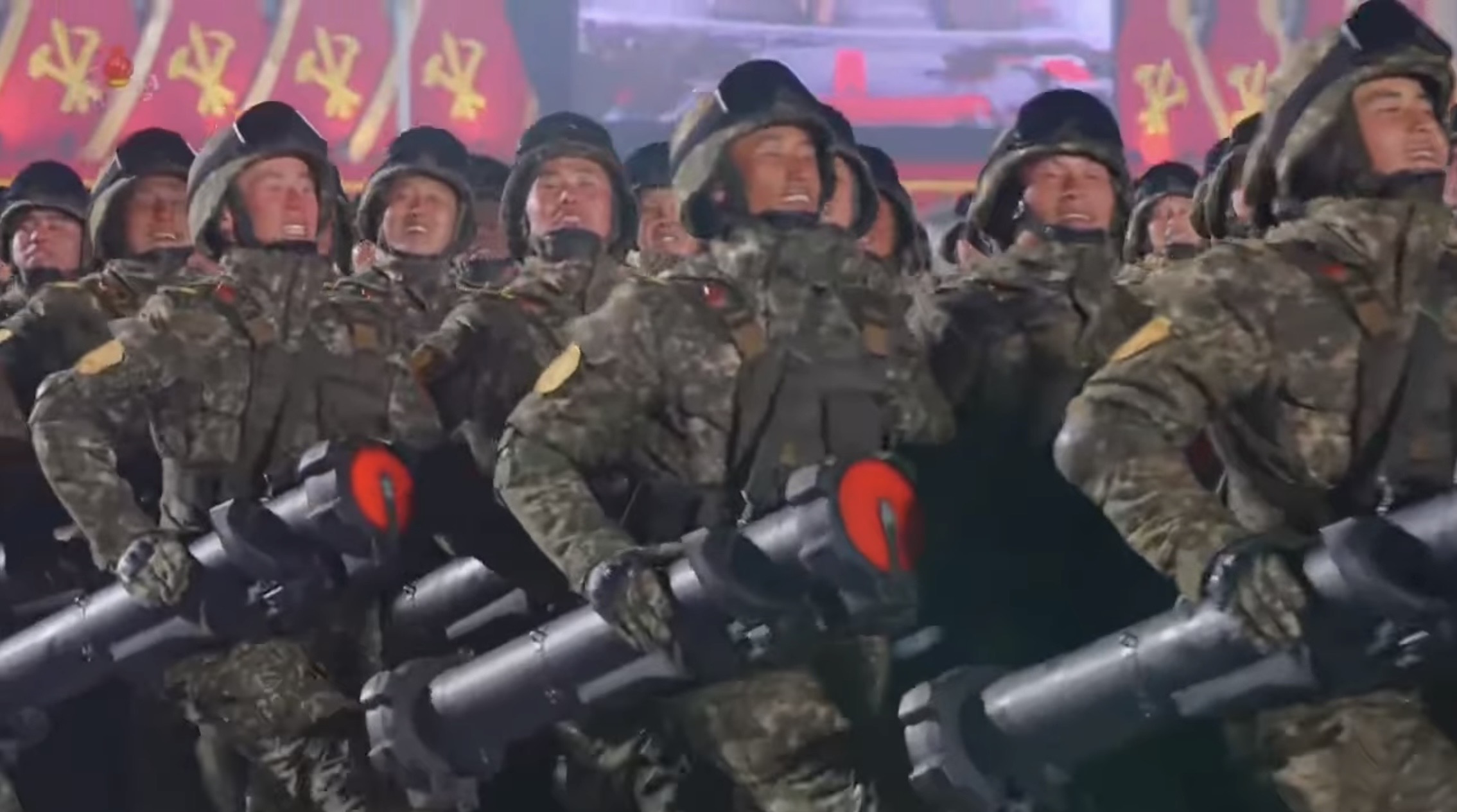
Personnel of III Army toting their anti-tank RPGs during the February 2026 parade (Photo: KCTV).
In this scenario, the KPA CDC would coordinate training, planning and daily operations of KPA and DPRK security organizations responsible for public safety and the military defense of Pyongyang, but with disparate command structures and organizations hierarchies. As such, the CDC would receive reports from other KPA units defending Pyongyang including the PDC/91st Corps, the III Corps and the Pyongyang AAA Command. It would also receive reports from some Guard Department units protecting VIP locales and critical infrastructure used by Kim Jong Un and other core elites, as well as the HQ and rear service elements of the Guard Command. In addition to that, it would receive operational and daily surveillance reporting from Public Security departments located in Pyongyang’s urban districts and counties as well as the Ch’angkwang Security Bureau on the periphery of the Central Committee compound in central Pyongyang. It would also oversee training and drill schedules for North Korean reserve military training units in the Worker-Peasant Red Guard and Young Red Guards
As noted, the CDC would assume control over training and operations planning for KPA and security units in and around Pyongyang. Previously this tasking belonged to the KPA General Staff Operations Bureau in coordination with the MPS and WPK Civil Defense Department. Despite leaning toward a political coordinating organization, it is fair to assume the CDC has not been left with a prestigious email address and a hotline to The Center. Like the Chief of the KPA General Staff and the General Staff Operations Bureau, the CDC probably maintains its own light infantry brigade, as well as communications and rear service support, with the latter drawn from the Guard Command.
From this type of CDC, Kim Jong Un would be able to exert control over training and planning over the revolutionary capital’s protection units. This would bypass the formulations of the General Staff, compartmentalizing such planning to very few core elites. Additionally, with this CDC, Kim Jong Un has an additional reporting line. The number of military and security organizations involved all have a series of reporting lines via routine, political management and security channels. The CDC gives Kim Jong Un either a new separate reporting channel, or, a means to consolidate reporting from those that already exist.
Of these these two CDC’s, the second one is the most likely. Although, there could be a hybrid whereby the CDC is a coordination node with larger personnel and materiel heft. The second scenario on the CDC would hew to overall trends in the last decade with the 9th Party Congress. As a coordination node with enough muscle to matter, the CDC represents another incremental step in Kim Jong Un reorganizing North Korea’s armed forces, particularly bodyguard and coup proofing institutions, on his own terms.
